Putney Riverside waste clearance for flats and riverside homes
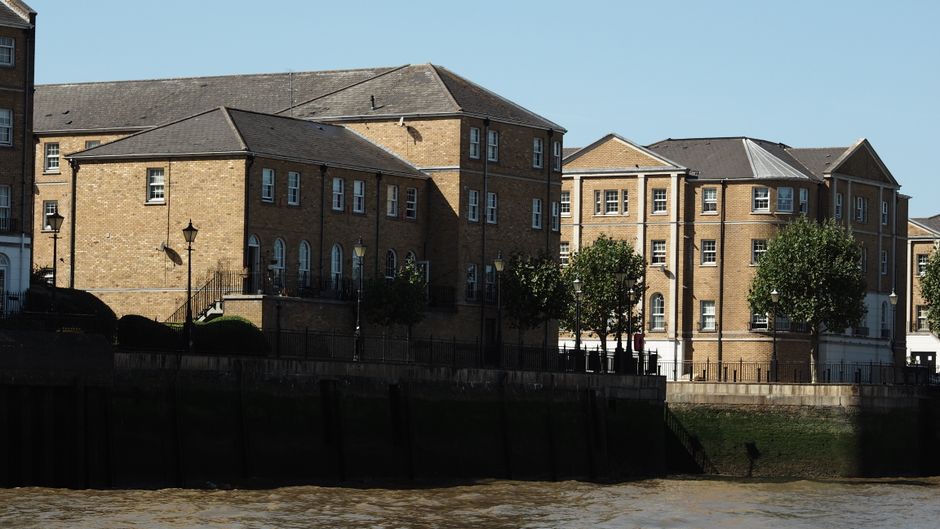
Clearing rubbish along the river is never quite the same as clearing a typical street property. Putney Riverside waste clearance for flats and riverside homes has to work around shared entrances, lift access, narrow service routes, parking pressures, and the simple fact that people still need to get in and out without tripping over a pile of old furniture. If you live in a riverside apartment, manage a rental, or are sorting a home with awkward access near the Thames, the job needs a cleaner plan than "just get rid of it somehow".
This guide explains how waste clearance works in Putney Riverside, what to watch for in flats and waterside homes, and how to choose the right approach for bulky items, renovation debris, garden waste, and general clutter. You will also find a practical checklist, a comparison table, and a realistic step-by-step process you can actually use. No fluff. Just the sort of detail that saves time and a fair bit of stress.
Why Putney Riverside waste clearance for flats and riverside homes Matters
Putney Riverside properties tend to come with a mix of advantages and headaches. The views are great, the location is attractive, and many homes are modern or well-kept. But waste clearance in this setting can be trickier than people expect. Shared corridors, concierge desks, underground parking, riverside pathways, and limited loading space all change how waste should be removed.
In flats especially, one badly timed clearance can disrupt neighbours, block a hallway, or trigger complaints with building management. In riverside homes, the access may be better in some ways, but there are often restrictions on where a vehicle can stop and how long it can stay. That is why a tidy, well-planned clearance matters. It keeps the building safe, avoids unnecessary friction, and gets the job done without turning the entrance into a small dumping ground. Let's face it, nobody wants to come home to that.
There is also the practical side: waste left too long can attract pests, create smells, and make a property feel much smaller than it is. If you are preparing a flat for sale, moving out of a riverside maisonette, or clearing a rental between tenancies, speed and neatness matter more than people often admit.
For broader household support, some residents also look at house clearance when rooms are full of mixed items, or rubbish removal when they want a quick one-off collection rather than a larger plan.
How Putney Riverside waste clearance for flats and riverside homes Works
Most clearances in this part of London follow the same basic logic: assess the waste, choose the right removal method, check access, and schedule collection so the property remains usable. The details are what matter.
In a flat, the first question is often simple: how will the waste get from the door to the vehicle? If there is a lift, can it take bulky items? If not, are stairs narrow or shared? Is there a concierge or a building manager who needs notice? If the waste is going from a riverside terrace, courtyard, or garden space, can a vehicle reach it safely without damaging paving or blocking residents?
Depending on the type and amount of waste, the right method might be a skip, a wait-and-load collection, a grab vehicle, or a man and van service. A standard skip hire arrangement can work well if there is enough space and the property is suitable. In tighter settings, wait and load skip hire is often easier because the waste is loaded promptly and the vehicle moves on. For awkward or heavier loads, grab lorry hire can be a sensible choice.
A good provider should also help you think through whether you need skip permits, whether an enclosed option is better for privacy, or whether the job is simply too access-restricted for a skip at all. In some flats, enclosed and lockable skip hire offers a neater, more secure solution, especially where other residents, visitors, or passers-by might otherwise be able to add waste.
And if the contents are mostly loose rubbish, worn-out furniture, or mixed household items, an organised team can remove it as part of a more flexible service such as man and van. Not everything needs a large skip. Sometimes that would be overkill, honestly.
Key Benefits and Practical Advantages
There are several reasons residents and landlords choose a professional clearance approach rather than trying to tackle everything themselves.
- Less disruption: Waste can be removed faster and with less interference to neighbours, concierge staff, and building operations.
- Better access planning: A proper service can work around lifts, stairwells, loading bays, and awkward parking spots.
- Cleaner finish: The property is left ready for cleaning, letting, decorating, or sale.
- More suitable disposal: Different waste streams can be separated more carefully, which helps with recycling and responsible handling.
- Reduced manual strain: Heavy lifting is one of the first things people underestimate. Then the sofa is halfway down the stairs and everyone regrets the plan.
There is also a peace-of-mind benefit. A straightforward clearance means fewer awkward conversations with building management and fewer delays if you are working to a deadline. For tenants moving out, for example, a missed rubbish pile can quickly become a dispute. For landlords, a half-cleared flat can hold up viewings and refresh work. For homeowners with riverside terraces, wet weather can make waste handling messy very quickly, so a coordinated removal is just easier.
If you are comparing service styles, it is worth looking at the cost and format of skip sizes and prices alongside the practicalities of access. In some buildings, the cheapest option on paper is not the cheapest once you factor in permit issues, loading time, and the hassle of space constraints.
Who This Is For and When It Makes Sense
This kind of service is useful for a wide mix of people, and the reason is usually one of three things: too much waste, too little time, or awkward access.
You may need it if you are:
- moving out of a flat and need a full or partial clear-out
- refurbishing a riverside home and dealing with renovation waste
- emptying a rental property between tenancies
- clearing bulky furniture after a downsizing move
- sorting garden or terrace waste after landscaping
- managing a probate or inherited property that contains mixed items
- working on a small building project with limited outdoor space
It also makes sense when waste is not just "rubbish" but a mix of materials. Old appliances, mattresses, broken wardrobes, bagged clutter, plasterboard, bits of timber, and garden debris all behave differently in practice. A simple bin run will not cut it. Nor will pretending the pile will sort itself. It won't.
For flats with recurring waste issues, residents sometimes use a mix of domestic skip hire for one-off clearances and same day skip hire when timings are tight. That can be especially helpful before moving day or after a rushed renovation phase.
Step-by-Step Guidance
- Identify the waste type. Separate bulky household items, general rubbish, reusable goods, recyclables, and anything that may need specialist handling.
- Check access carefully. Measure doorways, stairwells, lift size, and any shared loading area. If the item is a sofa or fridge, those dimensions matter more than you think.
- Speak to building management if needed. Some riverside developments require notice before vehicle access, loading bay use, or skip placement.
- Choose the method that fits the site. A skip may work, but in tight locations wait-and-load or man and van may be cleaner and simpler.
- Match the service to the waste volume. Underestimating volume is a common mistake. Overfilling causes delays and extra cost, which nobody enjoys.
- Move sensitive or restricted items aside. Documents, electronics, and valuables should be separated before the clearance begins.
- Book at a sensible time. Mid-morning or early afternoon often works better than the rush of school runs, deliveries, and commuter traffic.
- Make the path clear. Hallways, lifts, and landings should be kept open so removal is safe and quick.
- Confirm disposal expectations. Ask how waste will be handled, especially if you want recycling-focused removal or need assurance on specific items.
A tiny bit of planning makes a huge difference here. If the waste is in a top-floor flat overlooking the river, for instance, it is better to do one careful sweep than five rushed trips with bags rubbing against walls and corners. The building stays neater, the team works faster, and everyone breathes easier.
If you are unsure what is acceptable in a mixed load, the service page on what can go in a skip is a useful reference point, especially before you start loading furniture, wood, packaging, or household clutter together.
Expert Tips for Better Results
Here is the sort of advice that tends to come from real jobs rather than theory.
- Take photos before you book. A few clear images of the pile, access route, stairs, and parking area help avoid surprises.
- Label what is staying. In flats, items often get moved around during decorating or moving. A simple label can prevent accidental disposal.
- Keep fragile items separate. Broken glass and loose ceramics can get dangerous very quickly in a shared corridor.
- Ask about loading support. If the waste is heavy or awkward, confirm whether the crew will carry it from the flat or only collect it from a ground-floor point.
- Think about neighbours. Avoid late-evening collections if possible. It sounds obvious, but the sound of furniture dragging at 8:30 pm is not exactly popular.
- Use a secure option where privacy matters. For some developments, a locked or enclosed container is better than an open skip.
One more thing: if the clearance follows renovation or maintenance work, keep in mind that builders often generate waste faster than they realise. A morning's jobs can turn into a full pile by lunch. For that kind of situation, builders waste removal or construction waste clearance can be a better fit than a general domestic collection.
If you are dealing with a larger project, the related service on construction waste disposal is also worth comparing, especially where timber offcuts, packaging, plasterboard, and rubble are all mixed together.
Common Mistakes to Avoid
Most clearance problems come from a handful of predictable errors. The good news is that they are easy to avoid once you know what to look for.
- Choosing the wrong method for the access. A skip that fits on paper may not work once you factor in the actual entrance, neighbours, and vehicle turning space.
- Leaving permit questions too late. If a skip needs a permit, sorting it at the last minute is asking for trouble.
- Mixing restricted items with general waste. Fridges, chemicals, and other specialist items should not be treated as ordinary rubbish.
- Underestimating the volume. Flats often hide more clutter than they first appear to. Cabinets, under-bed storage, balcony clutter - it piles up.
- Ignoring recycling separation. A cleaner sort at the start usually saves time later and improves responsible disposal.
- Blocking shared areas. Even a temporary pile in a corridor can become a safety issue.
There is also the classic "I'll do it later" mistake. Truth be told, later usually becomes the night before a move, with a broken lamp in one hand and a bin bag that suddenly feels twice as heavy. Better to plan while you still have daylight and energy.
Tools, Resources and Recommendations
You do not need specialist gear for every clearance, but a few practical items help.
- Measuring tape: useful for sofas, mattresses, appliances, and narrow hallways.
- Heavy-duty bags or boxes: better for loose clutter than flimsy supermarket bags.
- Gloves and closed shoes: especially if you are sorting broken items or dusty storage areas.
- Markers and labels: helpful when separating items into keep, donate, recycle, and dispose piles.
- Phone camera: for documenting access and the waste volume before the job starts.
From a service perspective, it is sensible to compare waste clearance against wait and load skip hire if the site has little room for a container to sit. If you need a more enclosed setup, enclosed and lockable skip hire may be a better fit in a riverside development where appearance and security matter.
For mixed bulky items, fridge and appliance removal is useful when white goods need special handling, while mattress and sofa disposal helps when the main challenge is oversized furniture. If your clear-out includes confidential paperwork from a home office or rental office corner, confidential shredding can be a sensible extra step.
For general sustainability-minded disposal, take a look at recycling and sustainability. That is often where people get a better sense of how mixed loads are sorted after collection, which is reassuring if you care about responsible handling.
Law, Compliance, Standards, or Best Practice
For waste clearance in London, the safest approach is to follow standard UK waste-handling expectations and use a provider that works responsibly with your load. You do not need to become an expert in waste law, but you should understand the basics.
Householders remain responsible for what leaves their property. That means if you hand waste to the wrong person and it is fly-tipped, the consequences can come back to you. So it is worth checking the operator's basic trust signals, insurance position, and disposal approach. The pages on insurance and safety and health and safety policy are the kind of details you want to review before booking a job that involves shared access, lifting, or confined areas.
Best practice also includes:
- keeping pathways clear for residents and emergency access
- separating hazardous items from general household waste
- using permits where required for road or pavement placement
- loading safely to reduce injury and property damage
- avoiding overfilling containers
If you are unsure about a particular item, do not guess. Ask first. The safest answer is usually the dull one, but dull is better than a headache later. For anything dangerous, liquid, chemical, or otherwise unusual, use hazardous waste disposal rather than mixing it into a general clearance.
If the waste is linked to a building project, the related service pages on builders skip hire and site clearance may be useful for understanding how a more formal clearance is handled.
Options, Methods, or Comparison Table
For Putney Riverside flats and riverside homes, the right waste clearance method usually depends on access, volume, speed, and how visible the work will be to neighbours or building management. Here is a simple comparison.
| Method | Best for | Strengths | Watch-outs |
|---|---|---|---|
| Skip hire | Larger clear-outs, renovation debris, mixed waste | Good capacity, simple loading, useful for multi-day work | Needs space and may require a permit |
| Wait and load | Tight streets, flats with limited external space | No long-term container on site, quick turnaround | Requires waste to be ready when the vehicle arrives |
| Grab lorry | Heavier waste, awkward piles, outdoor access | Fast removal, useful for bulky or loose waste | Needs suitable access and clear loading room |
| Man and van | Bulky items, general household clearances, smaller loads | Flexible, useful in flats, often practical for one-off jobs | May need more sorting and manual handling |
| Specialist item removal | Appliances, mattresses, confidential materials | Better for items needing specific handling | Can require separate booking or preparation |
In short: if you have space, skip hire can be very efficient. If you do not, wait-and-load or man and van often makes life easier. If the waste is heavy and reachable from outside, a grab lorry can be a very neat solution. There is no one-size-fits-all answer. That is the point.
Case Study or Real-World Example
Picture a top-floor riverside flat with a lift that is just a bit too small for a large wardrobe. The occupier is moving out after six years, and the place contains a broken bed frame, a sofa, kitchen clutter, two office chairs, some balcony planters, and a handful of bags from the storage cupboard that were meant to be dealt with "next weekend" for about six months.
Rather than trying to solve it with multiple car trips, the resident books a clearance that suits the access. The team checks whether the lift is usable, confirms the loading route, and removes the bulky items first so the flat can be cleaned properly. The old appliances are separated, the general waste is taken away, and the balcony items are handled without mess spreading across the corridor. By late afternoon, the flat smells like fresh paint and dust, not old furniture and damp cardboard. Small victory, but a meaningful one.
That kind of job is exactly where local knowledge helps. In a riverside building, you want a team that understands how to move efficiently without making the entrance look like a depot. If a permit or access restriction is involved, it is better to know early. If the load is awkward, it is better to plan for it. Simple as that.
Practical Checklist
Use this before you book Putney Riverside waste clearance for flats and riverside homes.
- Sort the waste into bulky items, general rubbish, recyclables, and special items
- Measure doorways, hallways, and any lift space
- Check whether building management needs notice
- Confirm parking or loading access near the property
- Decide whether a skip, wait-and-load, grab lorry, or man and van fits best
- Separate hazardous items, sharp objects, and confidential waste
- Keep paths clear in shared areas
- Photograph the waste and access points before the collection
- Ask about recycling and disposal handling
- Make sure valuables, documents, and keep items are removed first
It is a simple list, but it saves hassle. And frankly, that is the whole game.
Get a free quote today and see how much you can save.
Conclusion
Putney Riverside waste clearance for flats and riverside homes works best when it is planned around real access, not assumptions. The most successful clearances are calm, tidy, and matched to the building, whether that means skip hire, wait and load, a grab lorry, or a more flexible man and van approach.
If you are handling a move, a refurbishment, a rental turnaround, or a long-overdue clear-out, the key is to choose the method that fits the site and the waste, not the other way around. That is what keeps the process smooth and keeps neighbours, managers, and residents onside. A good clearance should feel like relief, not another job waiting behind the first job.
When everything is finally out and the space is quiet again, you really notice the difference. Less clutter. Less pressure. A bit more room to breathe.
Frequently Asked Questions
What is the best waste clearance option for a Putney Riverside flat?
It depends on access and volume. For tighter buildings, wait-and-load or man and van is often easier. If you have outdoor space, skip hire may be the better fit.
Do I need a permit for waste clearance in riverside homes?
Not always. Permits are usually relevant if a skip or vehicle needs to be placed on a public road or similar restricted area. If in doubt, check before booking.
Can waste be removed from upper-floor flats?
Yes, if access is suitable. Teams usually work around lifts, stairs, and shared hallways, but it helps to confirm dimensions and any building rules in advance.
Is wait-and-load better than skip hire for flats?
Often yes, especially where there is very little space outside the property. It keeps the street clearer and avoids leaving a container on site for long.
What happens to bulky furniture like sofas and mattresses?
These are usually collected separately or as part of a mixed load, depending on the service. For specific items, sofa and mattress disposal can be useful.
Can I put appliances in the clearance load?
Sometimes, but appliances should be handled carefully. Fridges and similar items may need specialist removal, so it is best to check first.
How fast can a clearance be arranged?
That varies by schedule and access, but urgent jobs can sometimes be handled quickly. If timing is tight, same-day options may be worth exploring.
What should I do before the team arrives?
Separate keep items from waste, clear hallways, and let building management know if needed. A tidy route makes the job faster and safer.
Is riverside waste clearance suitable for renovation debris?
Yes, as long as the waste type is suitable for the chosen service. For heavier construction material, construction waste disposal or builders waste removal may be more appropriate.
How can I make sure waste is handled responsibly?
Ask how the load will be processed, and choose a provider that separates recyclable material where possible. Reviewing the company's recycling and sustainability approach is a sensible step.
What if I have confidential papers or sensitive documents?
Keep them separate from general waste and use confidential shredding rather than throwing them into a mixed load.
What is the most common mistake people make?
Underestimating access issues. A flat can look simple from the outside, then the sofa arrives at the stairwell and reality sets in. Measuring first avoids that moment.