Putney High Street rubbish removal guide for residents
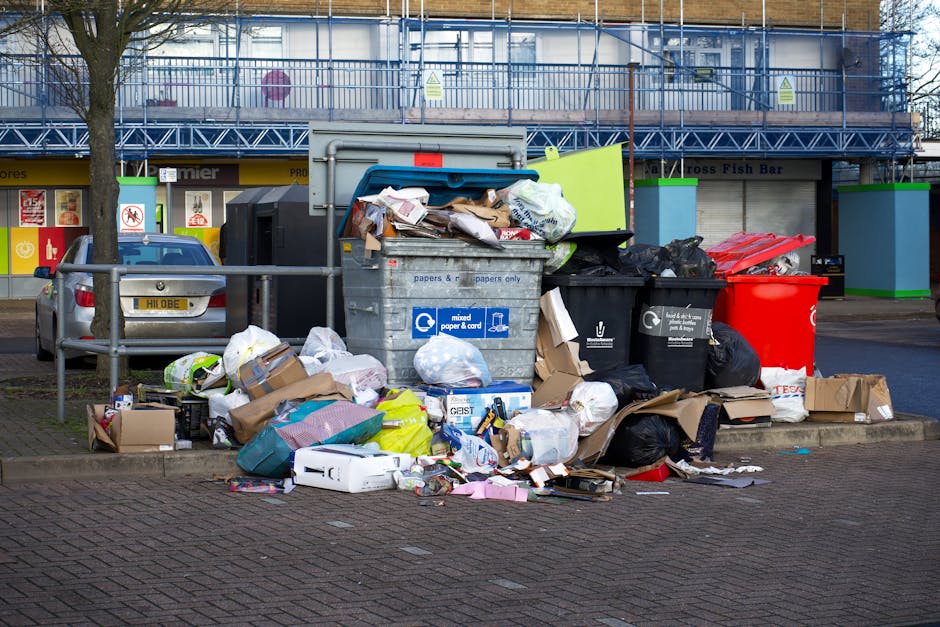
If you live near Putney High Street, rubbish has a way of becoming a bigger project than it first looks. One bag turns into three, a sofa needs shifting, and suddenly you are dealing with awkward stairwells, busy kerbs, parking limits, and the general reality of London streets. This Putney High Street rubbish removal guide for residents is here to make the whole thing feel simpler, safer, and much less annoying. Whether you are clearing out a flat, replacing furniture, or getting rid of renovation debris, the right approach can save time, stress, and a few unnecessary trips back and forth.
In this guide, you will find the main disposal options, how rubbish removal usually works in practice, what to check before booking, and how to avoid the common mistakes people make around busy high street properties. We will also cover skips, wait-and-load collections, permits, recycling, and the small details that tend to matter most on the day. Let's face it, nobody wants a half-finished clear-out lingering by the front door at the worst possible moment.
Why Putney High Street rubbish removal guide for residents Matters
Putney High Street is not the kind of place where rubbish can be left to sort itself out. Traffic builds up, pavements are busy, and access can be tight, especially if you are living above a shop, in a period conversion, or in one of the nearby residential streets where parking disappears quickly. A poor plan often leads to extra lifting, delays, or waste sitting around longer than it should. That is inconvenient at best, and it can become a nuisance for neighbours pretty fast.
It also matters because different types of waste need different handling. A few black bags of household clutter are one thing. Broken wardrobes, garden waste, fridges, office paperwork, or renovation rubble are another. If you are not clear about what you have, it is easy to choose the wrong removal method and end up paying more, or worse, booking a service that cannot take certain items at all.
There is also the simple issue of safety. Heavy items, sharp edges, plasterboard dust, and damp rubbish are not pleasant to move, especially down stairs or through narrow hallways. The right rubbish removal plan protects you, your property, and the people helping you. That is not overthinking it. It is just sensible.
If you are already comparing disposal options, it can help to look at broader services such as rubbish removal, domestic skip hire, or, for bigger mixed loads, skip hire. The best choice depends on access, volume, and how quickly you need the waste gone.
How Putney High Street rubbish removal guide for residents Works
In practical terms, rubbish removal usually follows a straightforward sequence. You identify the waste, estimate the amount, choose a collection method, and arrange a pickup or delivery. The tricky bit is choosing the method that actually suits your property and schedule.
For many Putney residents, the main options are:
- Man and van collection for smaller loads, single items, or mixed household rubbish.
- Skip hire for larger clear-outs, DIY waste, or ongoing projects where waste builds up over a few days.
- Wait-and-load when you cannot leave a skip on the road or outside the property for long.
- Specialist item removal for things like sofas, mattresses, appliances, or confidential paperwork.
The right service depends on what you are disposing of and how much control you need over timing. If you have a single bulky item, a targeted service such as mattress and sofa disposal or fridge and appliance removal can be far easier than trying to manage it yourself. If you are clearing a loft, shed, or flat, a broader package such as house clearance or garage and loft clearance may be the more efficient route.
On the day, a good provider should be able to confirm access, load the waste safely, separate recyclable materials where possible, and handle disposal in line with accepted UK waste practice. You should expect some questions too. A decent operator will ask what the waste contains, where it is located, and whether anything needs special handling. That is a good sign, not an inconvenience.
Key Benefits and Practical Advantages
There are quite a few reasons residents choose organised rubbish removal instead of doing everything themselves. The biggest one is simple convenience. You avoid multiple car journeys, awkward heavy lifting, and the usual mess that comes with trying to clear a property in stages.
Here are the main advantages in plain English:
- Less time spent moving waste - especially useful if you are busy, working, or managing a move.
- Safer handling - heavy and sharp items are moved by people used to the job.
- Better access planning - important on or near a busy high street.
- Cleaner finish - waste is removed in one go rather than left in piles.
- More suitable disposal - some items need specialist handling, not a general bin.
- Better recycling outcomes - sorting waste properly often increases what can be recovered.
There is also a quiet but important benefit: peace of mind. When rubbish is sitting in the hallway or on the kerb, it hangs over the whole day. Once it is booked and handled properly, the job just feels lighter. You can get on with the next thing. A small thing, but it matters.
For residents who are unsure whether a skip or collection is better, the detailed guidance on skip sizes and prices and what can go in a skip is especially useful before making a decision.
Who This Is For and When It Makes Sense
This guide is mainly for Putney High Street residents, but that can mean a few different situations. You might live in a flat above a shop, a maisonette, a converted townhouse, or a nearby residential street with the same access challenges. The common thread is that rubbish removal has to fit around everyday urban life.
It makes sense if you are:
- clearing out after a move
- replacing furniture or appliances
- doing DIY, decorating, or light renovation
- emptying a loft, shed, cellar, or garage
- dealing with garden cuttings or outdoor waste
- managing a house clearance for a relative
- preparing a rental property between tenancies
It also makes sense if you have waste that is awkward to transport. A broken wardrobe is not just a wardrobe when you live on the third floor. A pile of flooring offcuts is not just a pile once you have to carry it through a narrow shared entrance. Truth be told, that is where professional help starts to feel less like a luxury and more like a practical decision.
If your waste is mainly domestic, domestic skip hire is often a strong fit. If you are dealing with a business unit, small office, or retail refurbishment, office clearance or commercial skip hire may be more appropriate.
Step-by-Step Guidance
Here is a practical way to approach rubbish removal without letting it spiral into a weekend-long ordeal.
- Sort the waste into rough groups. Put household rubbish, bulky items, DIY waste, green waste, and anything hazardous into separate piles if you can. You do not need perfection, just enough clarity to explain what you have.
- Check access before you book. Think about stairwells, narrow hallways, parking, loading space, and whether the vehicle can actually stop near the property. On Putney High Street, access is often the part people underestimate.
- Decide how quickly the waste needs to go. If you need same-day removal, look at same day skip hire or faster collection options. If you have a week or two, you may have more flexibility.
- Choose the most suitable service. For small to medium loads, a collection service or man and van approach may be enough. For bigger jobs, a skip or grab-style solution may be better.
- Ask about restricted items. If you have a fridge, sofa, mattress, electrical item, paint, or anything potentially hazardous, check before booking. Some waste needs specialist treatment.
- Confirm the waste is being handled properly. Responsible operators should be clear about disposal and recycling routes. If that part is vague, pause and ask more questions.
- Prepare the waste the night before if possible. It sounds obvious, but it helps. Tidy piles are easier to move, faster to load, and less stressful on the morning.
If a skip is the best fit, start by checking whether you may need a permit. The guidance on skip hire permits and skip permits is worth reading before you commit, especially if the container may sit on the road rather than private land.
A small but useful habit: measure awkward items. A tape measure takes two minutes and can save a lot of guesswork. The sofa that looks manageable in the lounge can suddenly feel enormous in the stairwell. It happens all the time.
Expert Tips for Better Results
After enough clear-outs, a few patterns become obvious. The smoother jobs are almost always the ones where the homeowner or tenant has done a bit of prep beforehand. Not much. Just enough to avoid surprises.
- Be honest about the load size. People often underestimate the amount of waste. One room becomes two. One cupboard becomes a loft. It is very normal.
- Keep heavy items accessible. If possible, place them near the exit rather than hiding them behind lighter rubbish.
- Separate hazardous materials early. Do not mix paints, chemicals, or damaged batteries into general waste. If you are unsure, use a specialist service such as hazardous waste disposal.
- Use the right service for awkward access. If parking is limited or you cannot leave a skip out, wait and load skip hire can be a practical workaround.
- Ask about enclosed options if security matters. For waste that needs to stay protected, enclosed and lockable skip hire can add peace of mind.
One more thing: if you are doing this during a wet spell, and yes, it is London so that is always a possibility, cardboard and lightweight waste can become miserable very quickly. Wet waste is heavier, messier, and harder to handle. Cover it if you can.
For larger construction-related jobs, you may want to compare builders waste removal with builders skip hire or even construction waste clearance if the project is moving fast and space is tight.
Common Mistakes to Avoid
A lot of rubbish removal problems are avoidable. The frustrating part is that the mistake usually seems small at first. Then it snowballs.
- Leaving booking too late. If you need a collection around a move-out date or contractor handover, book early. Availability can tighten quickly.
- Mixing prohibited items into general waste. Appliances, chemicals, plasterboard, tyres, batteries, and sharp items often need special handling.
- Ignoring parking and access. On a busy road, the collection team may not be able to stop exactly where you want. Plan for that.
- Choosing the wrong size or service. Too small, and you need extra collections. Too large, and you pay for space you do not need.
- Forgetting about permit requirements. If a skip goes on the public highway, permit rules may apply. That is where skip hire permits becomes relevant again.
- Assuming every provider handles recycling the same way. They do not.
Another common one: not checking whether the job includes loading or just delivery. A skip is not a magic dustbin. Someone still has to fill it. Obvious, yes, but people get caught out by the basics more often than you would think.
Tools, Resources and Recommendations
You do not need a van full of specialist kit to plan rubbish removal well, but a few simple tools make the process easier.
- Tape measure - for bulky items, doorway widths, and skip space planning.
- Bin bags or rubble sacks - useful for small loose waste and dusty DIY debris.
- Gloves - basic, sturdy gloves are a must for broken materials and sharp edges.
- Marker pen and labels - helpful if you are sorting items for different disposal streams.
- Phone camera - take photos of the waste pile before booking, especially if you want a precise quote.
For pricing decisions, the most helpful pages are usually pricing and quotes and skip sizes and prices. For sustainability-minded readers, recycling and sustainability is worth a look because the best waste plans are the ones that recover more and landfill less.
If you are arranging a sensitive clear-out, such as paperwork, client files, or old records, confidential shredding is a useful option. And for clutter from a home project that never quite stays small, garage and loft clearance can save a lot of back strain.
Law, Compliance, Standards, or Best Practice
Rubbish removal in the UK is not just a matter of getting things out of the house. Waste has to be handled responsibly, and residents should be careful about who takes it away. A reputable waste carrier should be able to explain what happens to your rubbish after collection, and they should not encourage you to dump restricted materials into a general load just to make the job easier.
For residents, the most useful practical rule is this: if something seems hazardous, awkward, or unusually heavy, ask before you book. Paints, solvents, plasterboard, fridges, electrical items, and sharp debris often require specific handling. That protects the people collecting it and reduces the chance of non-compliant disposal.
If you are using a skip on a road, permit requirements may apply depending on where it is placed. If you are unsure, check the permit information before delivery rather than afterwards. That sounds minor, but it can avoid a lot of grief.
Responsible practice also includes insurance awareness and health and safety. For peace of mind, it is sensible to review insurance and safety alongside the provider's health and safety policy. If you want to understand the business side a little better, about us gives useful context, while terms and conditions are worth skimming before booking any service.
There is no drama in being careful. In fact, careful is usually cheaper in the long run.
Options, Methods, or Comparison Table
Choosing the right rubbish removal method is usually about access, speed, volume, and the type of waste. Here is a simple comparison.
| Method | Best for | Strengths | Watch-outs |
|---|---|---|---|
| Man and van | Small to medium mixed loads, bulky items | Flexible, quick, useful for flat clearances | May require the waste to be ready to load |
| Skip hire | Ongoing DIY, house clear-outs, bulky mixed waste | Good capacity, can be filled over time | May need space or a permit |
| Wait-and-load | Short stop collections, no space for a skip | Fast, no skip left behind | You need the waste ready quickly |
| Specialist removal | Appliances, mattresses, sofas, confidential items | Targeted handling for specific waste types | Not always suitable for mixed general waste |
If you are still undecided, think about the shape of the job rather than only the size. A small but awkward flat clearance can be better suited to a man and van service, while a longer renovation may be better served by a container-based option from skip hire.
For builders, the comparison gets more specific. Some jobs suit construction waste disposal, while others are easier with a more direct collection model or a larger builders skip hire setup.
Case Study or Real-World Example
A typical Putney scenario goes like this. A resident in a first-floor flat near the High Street decides to clear out after replacing a sofa, a mattress, a broken bookcase, and several bags of old clothes and household bits. The hallway is narrow, parking is limited, and the lift is not really an option. At first, it looks like a simple weekend job. Then the sofa hits the stairwell, and the plan gets more complicated.
In practice, the resident sorts the items into bulky furniture, soft furnishings, and general waste. Because access is tight and the load is moderate rather than huge, a collection-based option is better than leaving a skip outside. The provider arrives with the right vehicle, checks the access route, and removes everything in one visit. The mattress and sofa are handled separately, while the rest is taken for appropriate sorting and disposal.
The difference is not just convenience. The resident avoids dragging furniture down the stairs, avoids guessing about permit issues, and gets the space back the same day. That kind of result is common when the removal method matches the property, rather than the other way round. Small win, but a proper one.
For similar clear-outs, you might also consider house clearance or, if the job includes a lot of stored items from a top floor or outbuilding, site clearance can sometimes be a better fit than people expect.
Practical Checklist
Use this checklist before you book. It saves time, and a few crossed wires too.
- Have I sorted the waste into rough categories?
- Do I know whether I am dealing with domestic, commercial, DIY, or mixed waste?
- Have I checked for hazardous or restricted items?
- Is access straightforward for the collection vehicle?
- Do I need same-day removal or can I plan ahead?
- Would a skip, wait-and-load, or man and van service suit the space?
- Could a permit be required if waste is placed on the public highway?
- Have I measured any large items that may be awkward to move?
- Do I know whether recycling is included in the service approach?
- Have I reviewed the provider's safety, insurance, and terms information?
If you can tick most of those off, you are already ahead of the average rush-booking scenario. That alone can make the whole thing feel much less chaotic.
Conclusion
Putney High Street rubbish removal does not have to be complicated. Once you look at the type of waste, the access at your property, and how quickly you need it gone, the right option usually becomes clear. For some residents that means a one-off collection. For others, it means a skip, a wait-and-load service, or a specialist removal for bulky or sensitive items. The goal is not just to get rid of clutter. It is to do it cleanly, safely, and without making your day harder than it needs to be.
For residents near a busy stretch like Putney High Street, the smartest approach is almost always the one that respects the realities of the building, the street, and your own time. A little planning goes a long way. Really, it does.
Get a free quote today and see how much you can save.
If you are ready to move from planning to action, you can also review book online and contact us when you are ready to talk through the details. And if you are the sort of person who likes to understand the company first, that is fair enough too.
Frequently Asked Questions
What is the best rubbish removal option for a flat on Putney High Street?
For many flats, a man and van collection or a wait-and-load service is the easiest choice because access is tighter and you may not have space for a skip. If the waste is larger or ongoing, skip hire may still work, but it depends on the building and parking.
Do I need a permit for a skip near Putney High Street?
If the skip is placed on a public road or highway, a permit may be required. If it stays on private land, you may not need one. It is best to check before delivery so there are no last-minute delays.
Can I put a sofa or mattress in a general rubbish load?
Sometimes yes, but these items are often easier and cleaner to handle through specialist removal. Using a targeted service can make the job quicker and reduce the chance of space being wasted in a skip.
What items are classed as hazardous waste?
Paints, solvents, certain chemicals, asbestos, batteries, and some electrical items can fall into hazardous or specialist categories. If you are unsure, ask before mixing them with normal household waste.
Is same-day rubbish removal available in Putney?
It can be, depending on availability and the size of the job. Same-day skip hire or urgent collection is often possible for straightforward loads, but it is wise to enquire early in the day.
What is the difference between skip hire and rubbish removal?
Skip hire gives you a container to fill over time, while rubbish removal usually means a team collects and loads the waste for you. The right choice depends on access, timing, and whether you want to do the loading yourself.
How do I know what skip size I need?
Start by estimating the volume of waste and whether it is light, bulky, or heavy. A quick look at skip sizes and prices can help you compare options without overbuying space.
Can builders waste be removed from a residential property?
Yes. If you are renovating a flat, house, or shopfront, builders waste removal, construction waste disposal, or a builders skip can all be suitable depending on access and the amount of material.
What happens to the rubbish after collection?
Usually it is sorted for reuse, recycling, or disposal depending on the material type. The exact route varies by waste stream, but a good provider should handle it responsibly and in line with accepted practice.
How can I make rubbish removal cheaper?
Clear the waste into sensible categories, separate hazardous items, and choose the right service the first time. That usually reduces wasted space, unnecessary loading time, and repeat visits.
Is wait-and-load better than leaving a skip outside?
It depends. If you have no space or cannot leave a skip unattended, wait-and-load can be ideal. If you need time to fill waste over several days, a skip may be more practical.
Where should I start if I am clearing a whole property?
Begin with the biggest items and then work room by room. For full-property clear-outs, house clearance or garage and loft clearance can save a lot of effort compared with piecing everything together yourself.